16 Best Things to Do in Iceland (+ Map)

Iceland is a country with something for everyone.
I spent a week there with my boyfriend and despite doing a lot of research, I still wasn’t prepared for how many incredible things there are to do.
We had so many once in a lifetime experiences, like snowmobiling on a glacier, exploring ice caves, and of course, seeing the northern lights.
The scenery is insane, it honestly feels as though you’re on a different planet half the time. There’s beautiful hikes, epic waterfalls, beaches, charming towns and lots of wildlife to discover.
The best things to do in Iceland
1. Hike on a glacier
Getting to hike on a glacier was the coolest thing I did during my week in Iceland.
There’s something so surreal about standing on top of this huge sheet of snow and ice, surrounded by jaw-dropping scenery.
There’s several different glaciers you can hike on in Iceland, with Sólheimajökull being the easiest to reach as it’s on the south coast, around two and a half hours from Reykjavík (this is the one I went to).
I booked my glacier hike as part of a tour of the south coast, that started and finished in Reykjavík.
As well as your hike, you’ll get to visit Seljalandsfoss and Skógafoss, two of Iceland’s most famous waterfalls, and Reynisfjara Beach.

2. Chase the Northern Lights
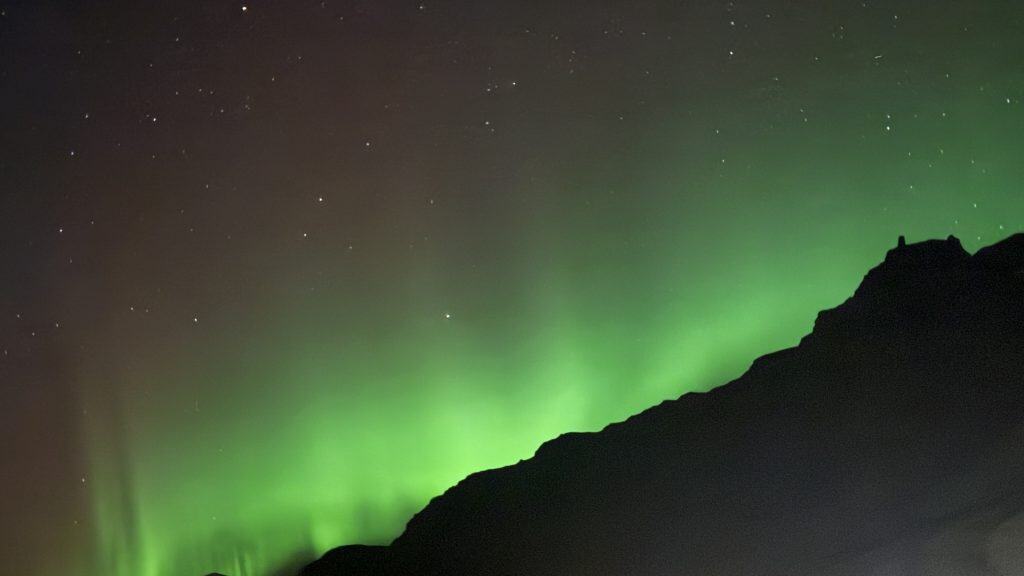
Seeing the northern lights is one of the main reasons people visit Iceland, and the thing I was most excited about.
I actually saw them as soon as I stepped out of the airport, which was such a magical way to start my trip!
The best time to see the northern lights is between September and March, in a remote area away from any light pollution.
You’ll want to keep an eye on the Aurora forecast, which gives you a rating from 0-9 depending on how active the aurora is.
Part of the fun is chasing the lights, and hiring a car means you have total flexibility to drive around in search of them.
Or, you can book a northern lights tour, where your expert guide will take you to find them.
The great thing about tours is that if you don’t see the lights, you can join another tour for free, which is why it’s best to spend at least a few days in Iceland to give yourself the time to do it again.
But honestly, mother nature does what she wants, and there’s only so much planning you can do, sometimes it’s just luck. The best northern lights I saw on my trip were from my hotel.
I stayed at Hali Country Hotel near near Jökulsárlón glacier lagoon, and because it’s in such a remote area, we were able to see them dancing away clearly.
So if you don’t want to do a tour, or drive around in the dark, just book a hotel in the middle of nowhere and see what happens!
3. Go on an ice cave tour
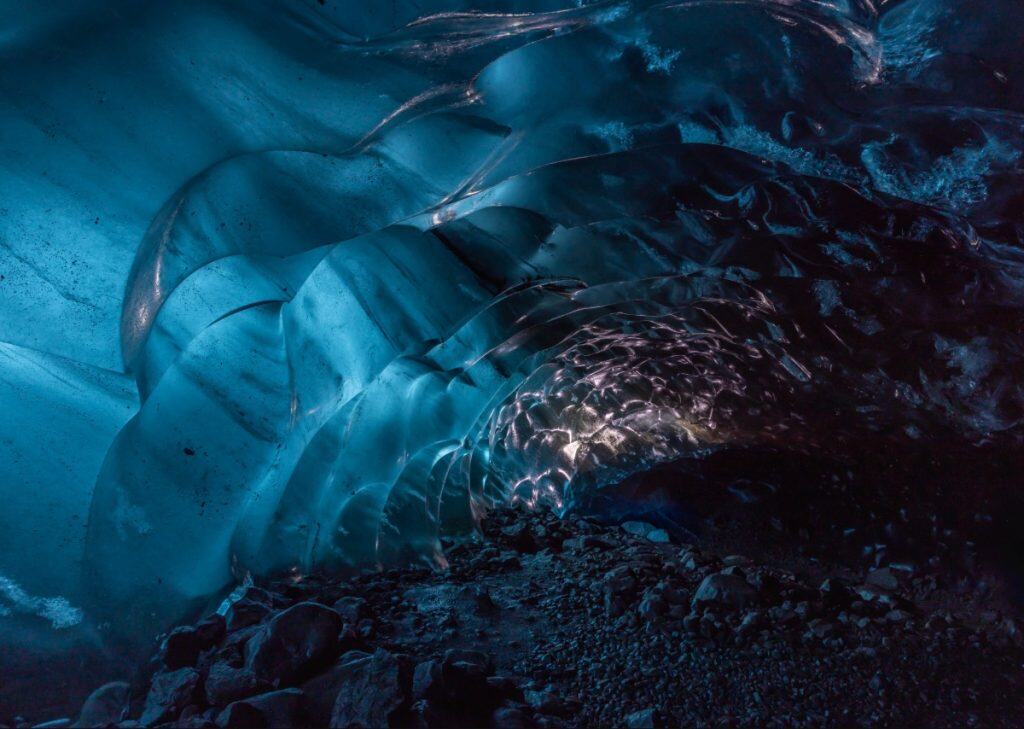
Exploring ice caves is one of the best things I did in Iceland, and probably the most unique. They’re formed when glaciers melt during the warmer months, causing water to flow through the ice and carve open tunnels.
This is very much a winter activity of course, as the caves melt during the summer months.
I booked this ice cave tour where we got to visit multiple ice caves on the inside of the Vatnajökull glacier.
You’re given crampons and a helmet and then your guide takes you through the caves, explaining how they’re formed and giving you lots of time to take photos.
It’s so surreal getting to walk around underneath the ice and a little scary at times if I’m being honest, you go pretty deep into the cave! But it’s a once in a lifetime experience that you absolutely can’t miss.
4. Jökulsárlón
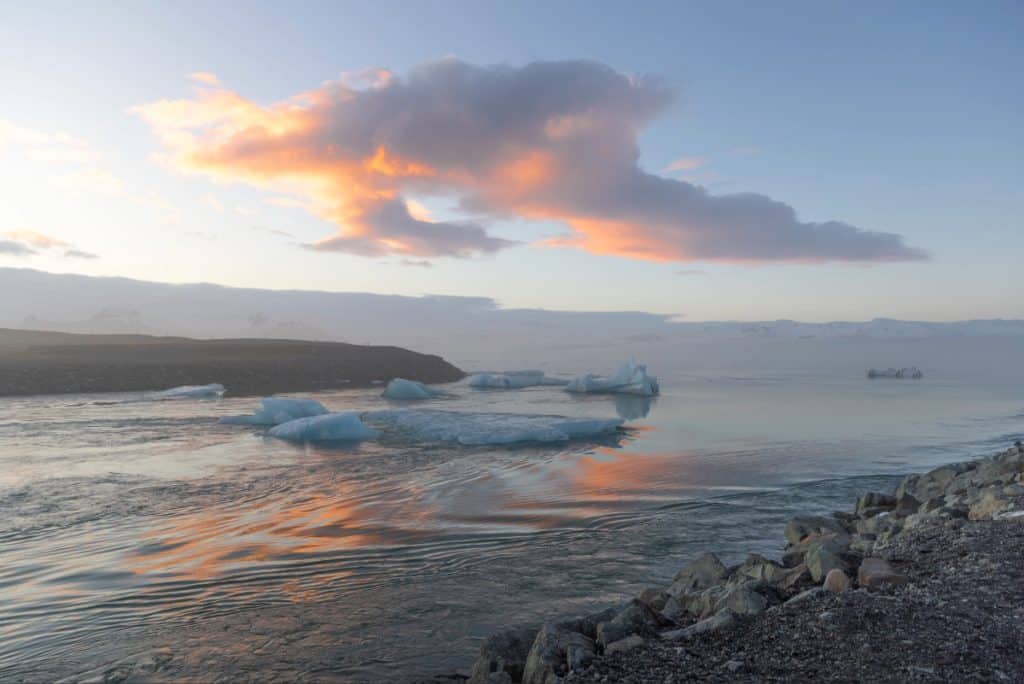
Jökulsárlón is a glacier lagoon that’s formed by the ice melting from the nearby Breidamerkurjokull Glacier.
It’s also the meeting point for the ice cave tour so it’s a great place to visit once your tour finishes.
The lagoon is filled with icebergs that float out to the Atlantic ocean, and you could easily sit and watch it for hours as the scenery is constantly changing.
It’s also a popular place to see the northern lights and it makes a fantastic backdrop for photos.
5. Diamond Beach
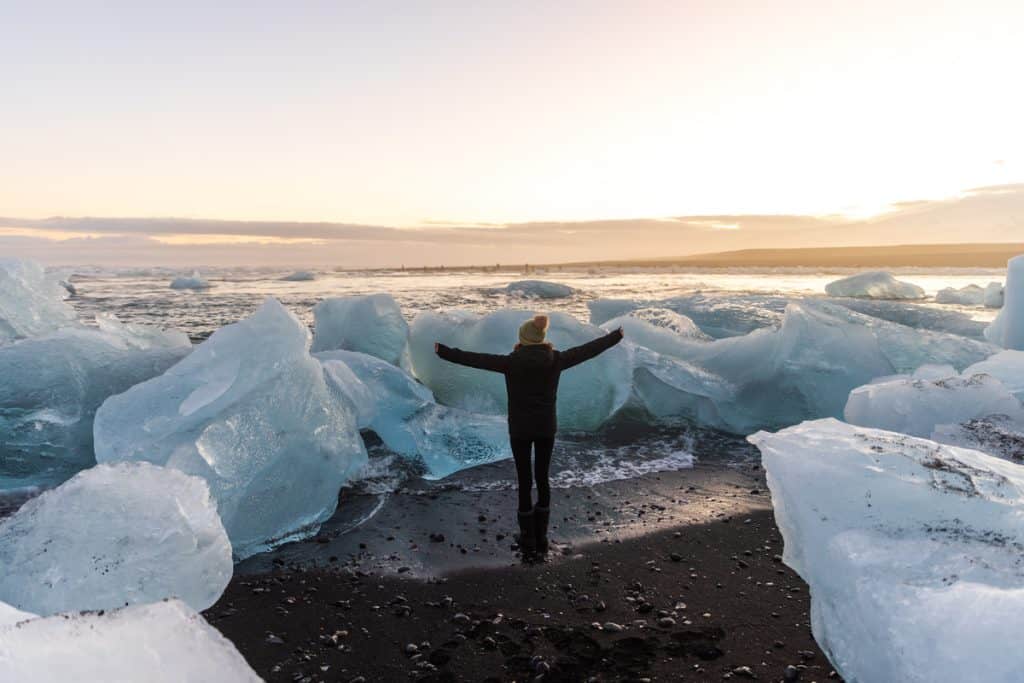
Next to Jökulsárlón is Diamond Beach, a black sand beach where the ice from Jökulsárlón washes up in huge chunks, making it look like diamond’s are scattered across it.
6. Visit the Golden Circle
The Golden Circle is made up of three of Iceland’s most famous spots – Þingvellir National Park, the Geysir’s and Gullfoss waterfall. It gets its name because its a circular route, and Gullfoss translates to “Golden Waterfall” in English.
I booked this day trip to the Golden Circle and it was brilliant. You’ll be picked up from Reykjavík, driven to visit all three sights, and then you’ll end the day with snowmobiling on Langjökull glacier.
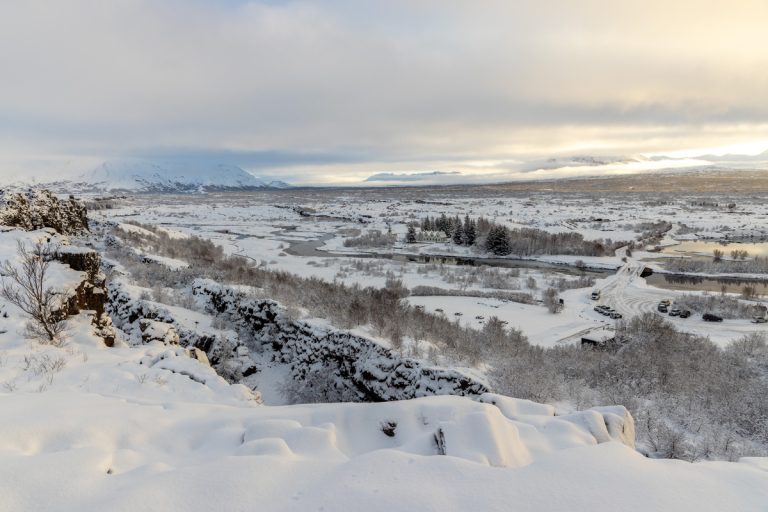
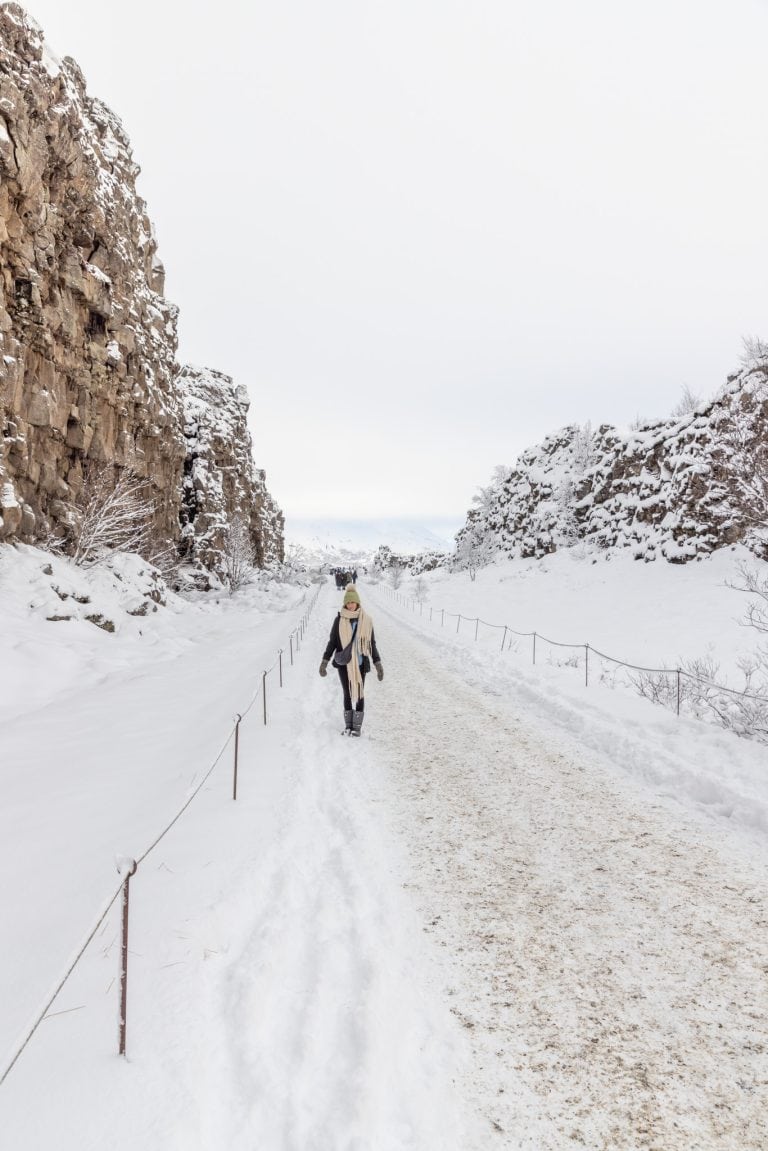
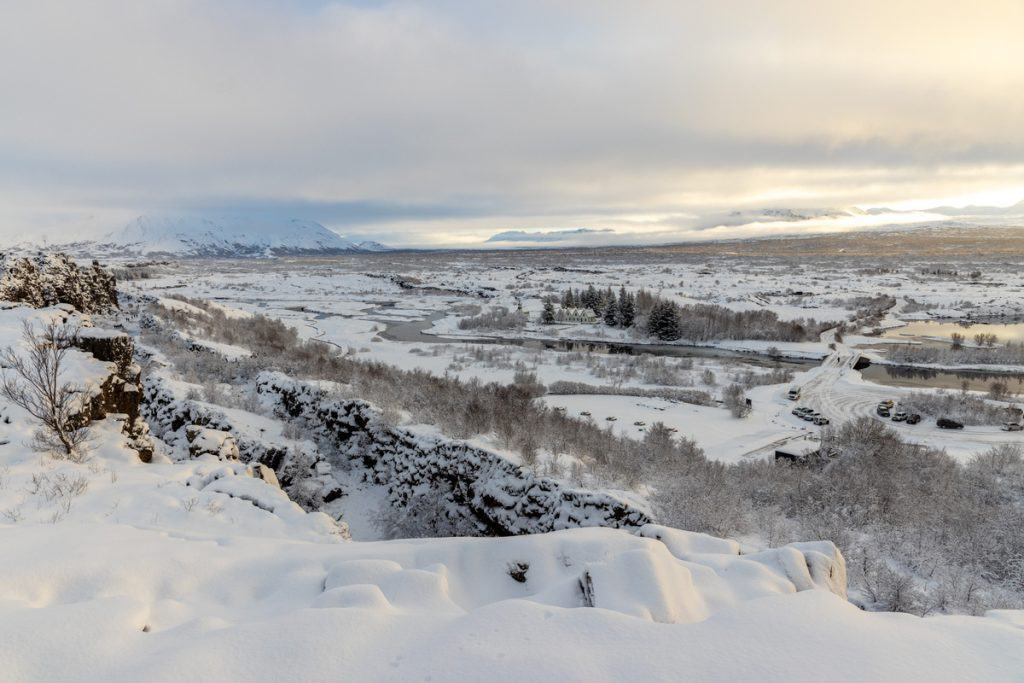
Your first stop is Þingvellir National Park, a UNESCO World Heritage Site located between two tectonic plates – you can actually walk through the middle of them which is very cool.
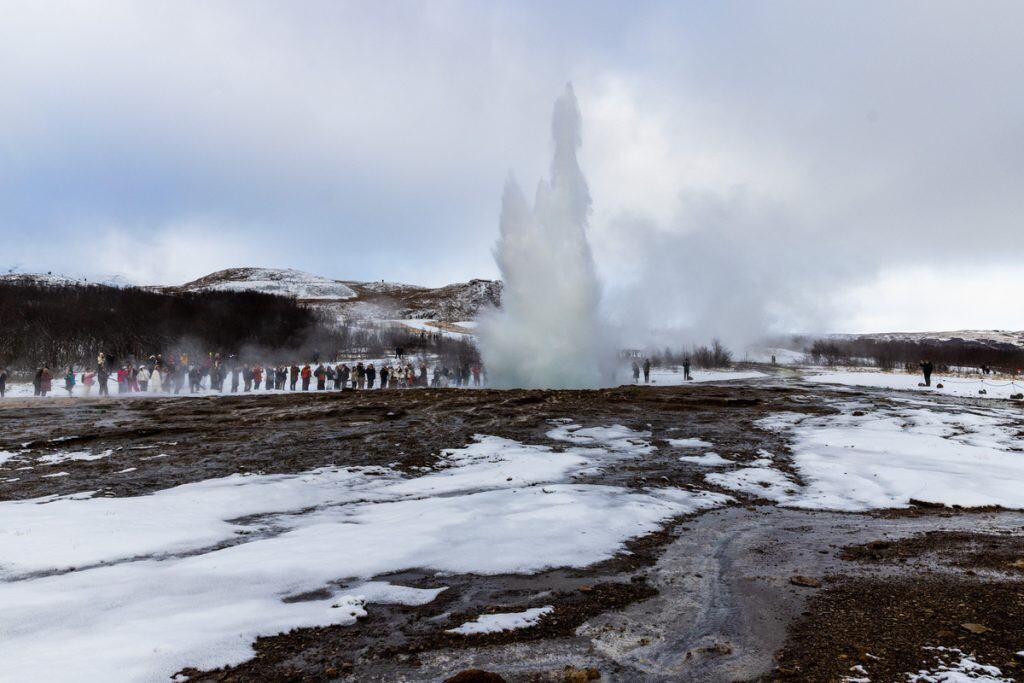
Next, you’ll visit the Geysir Geothermal Area, where you’ll get to see Strokkur, a geyser that regularly erupts and shoots boiling water high into the air.
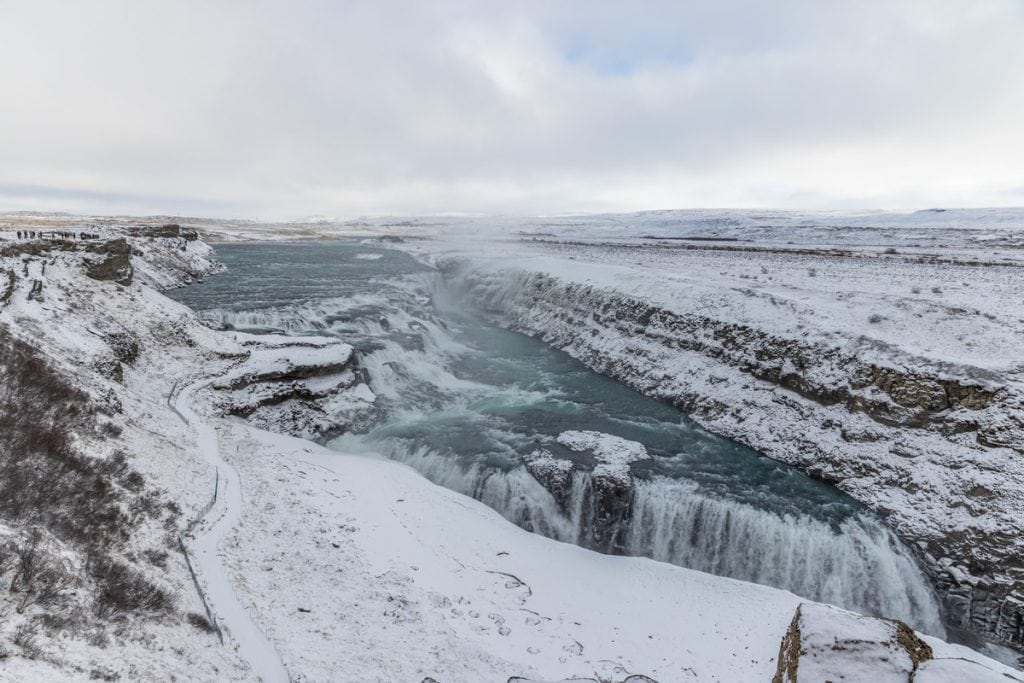
The final stop on the Golden Circle is Gullfoss, a two-tiered waterfall that flows into the canyon of the Hvita River.
7. Go snowmobiling
Driving a snowmobile across a glacier is one of the most exciting things to do in Iceland. As I mentioned, I did it as part of my day trip to the Golden Circle and it was fantastic.
You’re given the funny blue suits you can see in my picture to keep you warm, as well as helmets, so make sure your hat doesn’t have a bobble on top otherwise you’ll need to take it off.
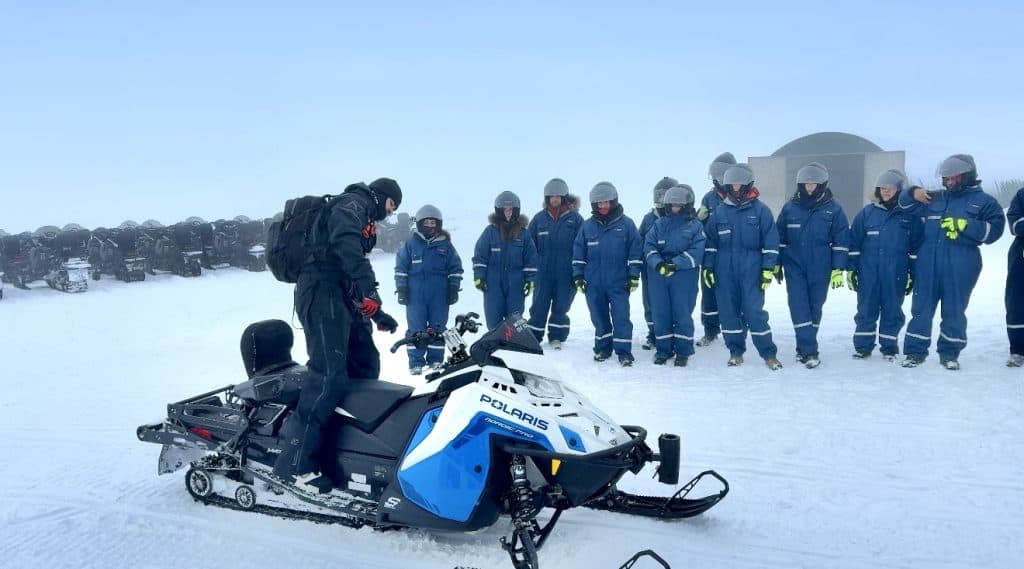
The tour lasts around an hour and you’ll be following your guide in a big group so there’s no chance of getting lost. It’s so much fun and a real bucket list activity so I’d definitely recommend it.
As it’s on a glacier, you can actually go snowmobiling year round in Iceland!
7. Skogafoss
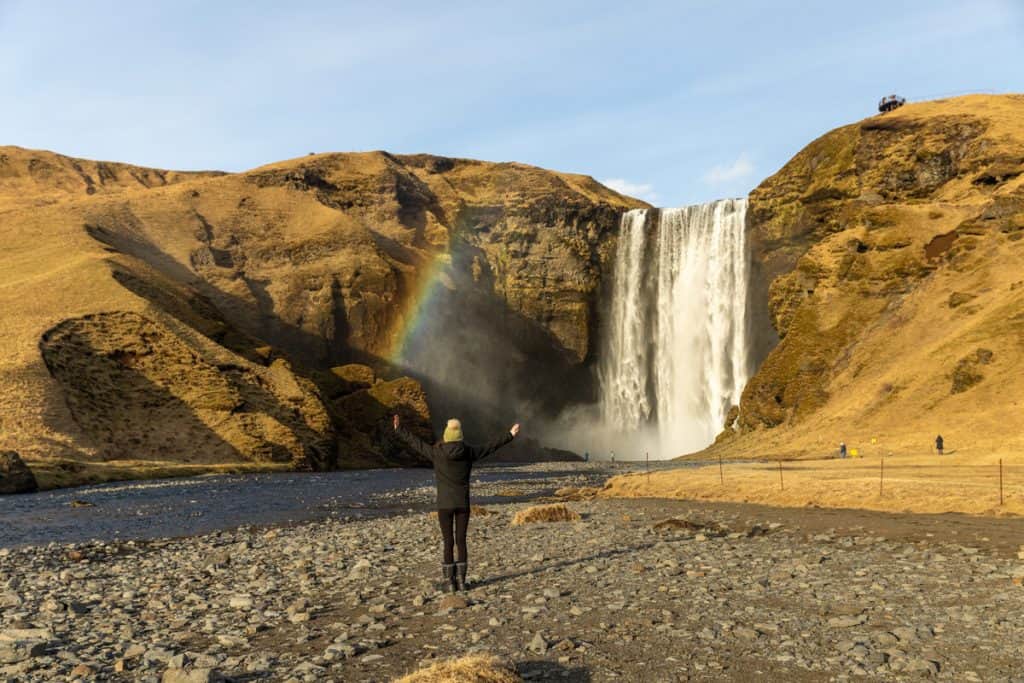
Skogafoss is one of Iceland’s most famous waterfalls. It’s also one of the biggest in the country, with a 60 metre drop and a width of 25 metres.
You can walk right up to the bottom of it, or climb the steps to a viewing platform over the top. I’d recommend doing both because it’s amazing to see it from different angles.
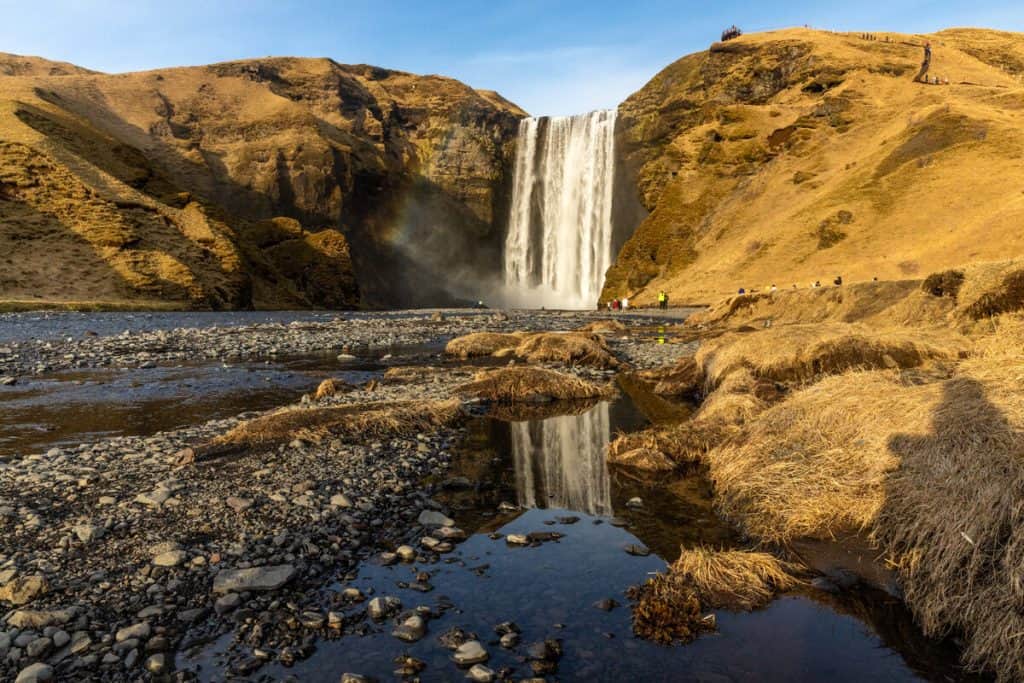
8. Seljalandsfoss
Seljalandsfoss is another one of Iceland’s most iconic waterfalls. There’s a path that runs around the back of it meaning you can actually walk behind it which is such a unique experience.
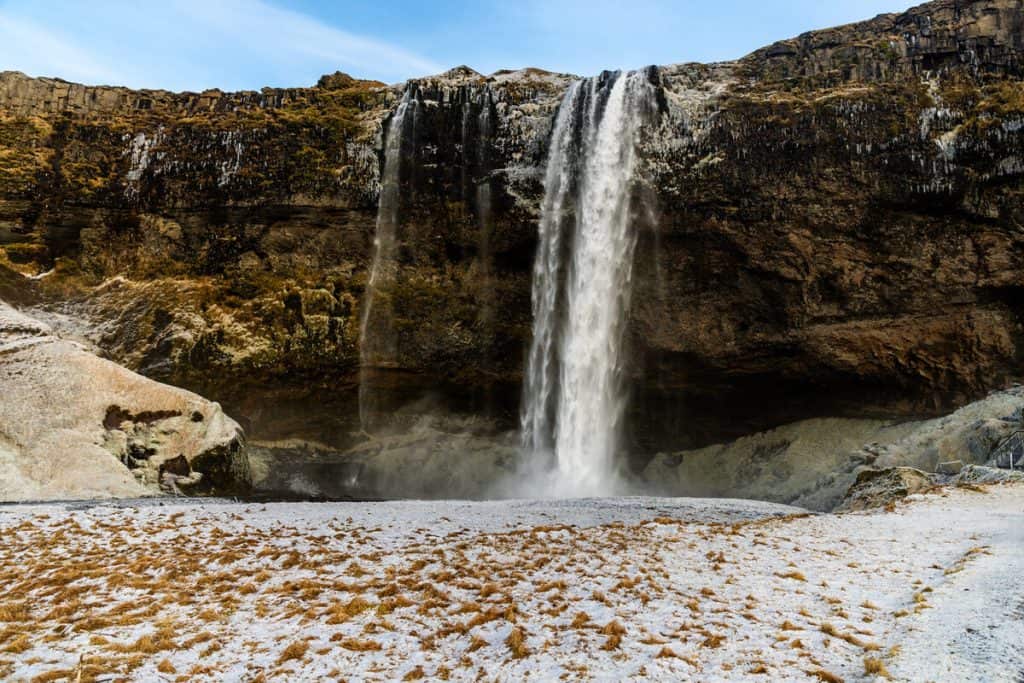
9. Visit Reynisfara beach
Reynisfara beach is the most famous black-sand beach in Iceland. Small, eroding volcanic rocks cover the beach, and the powerful waves crush them up and turn them into a fine black sand.
Speaking of powerful waves, they’re not to be underestimated. There’s a sign as you enter the beach with a light above it, and the colour determines the risk level.
Green is low risk, yellow is medium, and red is high risk. If the light is red, you aren’t allowed to go onto the beach.
Even when it’s green, you should be extremely careful here and stay away from the waves. They can very easily sweep you out, and people have unfortunately died because of it. I didn’t go any closer than where I’m standing in the picture.
I know I’ve made it all sound a bit scary but it’s really important to respect the nature in Iceland as it can be unpredictable. Reynisfara is a stunning spot and one of the most beautiful places in Iceland.
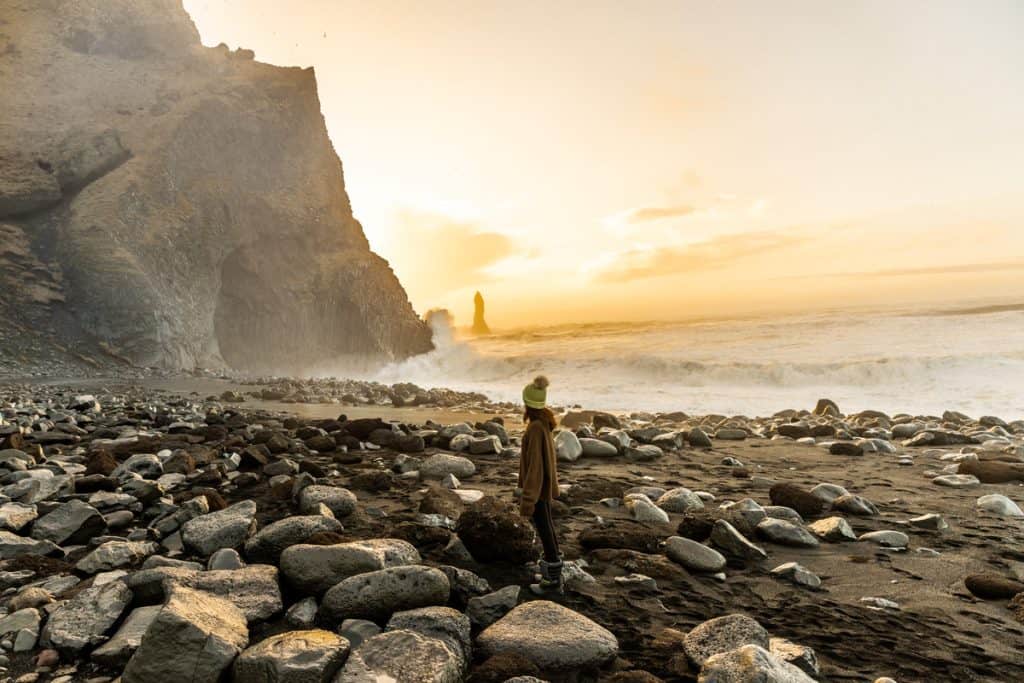
10. Explore Vik
Vik is a charming village located just fifteen minutes from Reynisfara, so it makes sense to visit them one after the other.
Its most famous landmark is its red-roofed church on the top of the hill, which has amazing views on a clear day.
In the town itself there’s a few shops, cafés and restaurants. I’d recommend Black Crust Pizzeria, where they use activated charcoal to create a black crust, inspired by the black-sand beaches of Iceland.
Vik also makes a great base as its near to a lot of the most popular sights along the south coast.
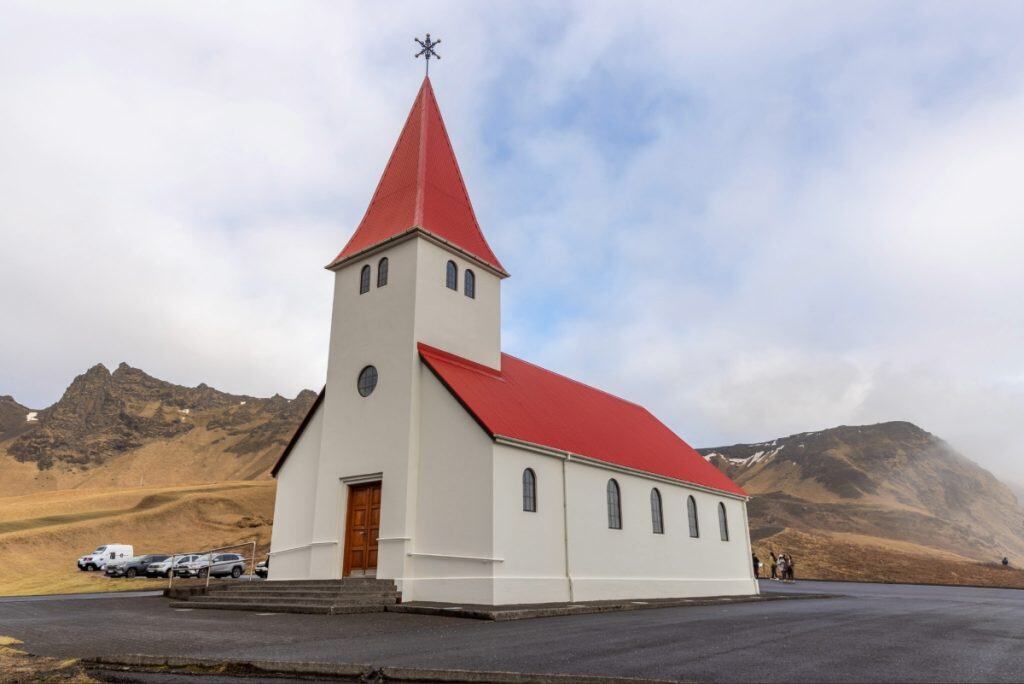
11. Discover Reykjavík
Reykjavík is Iceland’s capital city, and there’s so much to explore there. It has a really great food scene, loads of museums and art galleries, sculptures, churches and a charming old town.

There’s so much great nature in Iceland that it’s tempting to leave Reykjavík straight away, but I’d recommend setting aside one day to explore it.
A walking tour is the best way to see the main sights. I did this one which is with a small group, so it has a much more personal feel.
After the walking tour, pay a visit to Hallgrimskirkja, Reykjavík’s iconic church. It’s free to enter but you can pay to go to the top where you’ll get amazing views over the city.
There’s also the Sun Voyager statue, Harpa concert hall, and loads of museums to choose from – I visited Whales of Iceland which was really interesting and would be great for children.
If you’re visiting during whale watching season (April to September), you can do a whale watching tour from Reykjavík.

12. Hot springs
Hot springs are places where naturally hot water comes out of the ground, and they exist all over Iceland. They’re an essential part of daily life and locals use them to bathe, relax and socialise.
Hot springs are great all year round, but they’re especially nice in winter, when it’s freezing cold and you want to warm up quickly!
There’s loads of different types of hot springs across Iceland. Some are completely natural with no amenities, and can require hikes to reach. Others, like Blue Lagoon and Sky Lagoon, are man-made.
You should try and visit a few on your trip, they’re such a fun way to spend an afternoon.
Whilst I was in Reykjavík, I went to Sky Lagoon, as it’s only fifteen minutes away from the city centre. It’s based around a seven-step ritual and there’s a huge infinity lagoon pool with a swim-up bar and amazing views over the Atlantic Ocean.
Even though it’s man-made, it’s still a great experience, I’d recommend timing your visit with sunset to make it even more special.

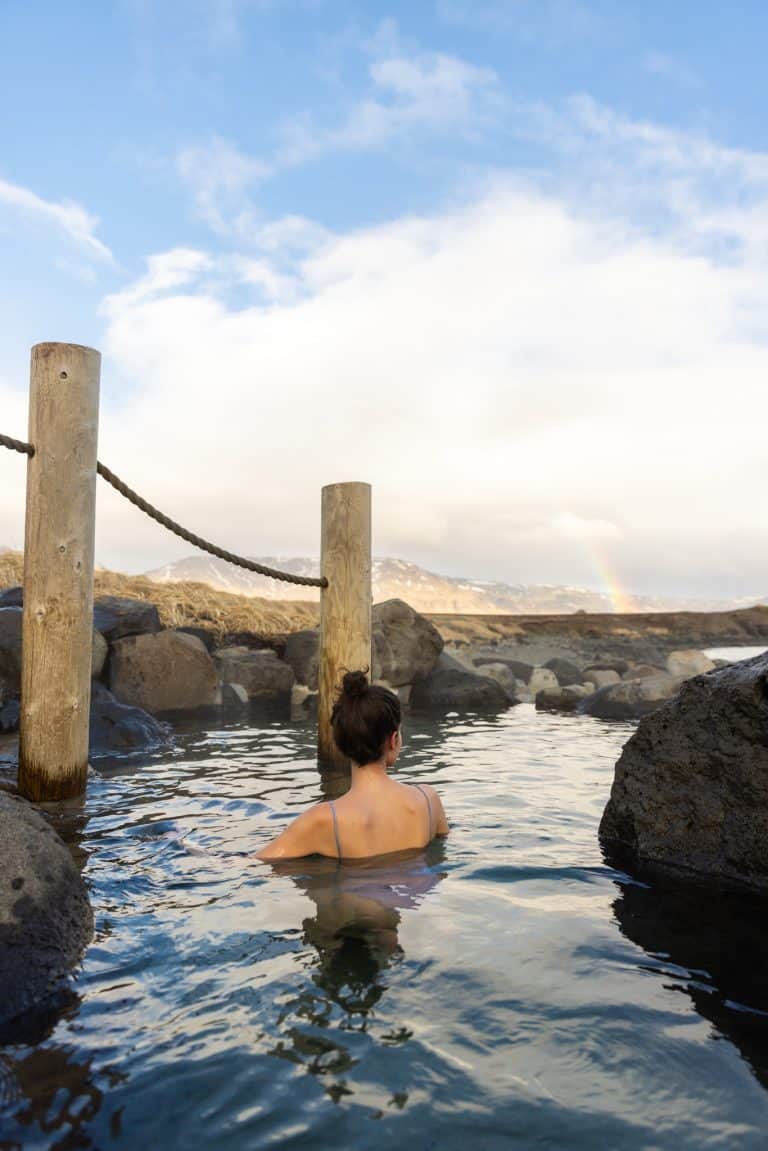
I also took a day trip to Hvammsvik Hot Springs, which is located an hour from Reykjavík on the shore of a remote fjord.
Hvammsvik is made up of eight natural hot springs, so it’s not man made like Sky Lagoon. They have spruced it up a bit though by adding steps into the springs, paths, a swim up bar and a restaurant.

Out of the two, I preferred Hvammsvik because it felt like a more authentic experience, it was much quieter, and its remote location was absolutely stunning. The views were to die for.
It’s a great way of having a more genuine hot spring experience with a few home comforts.

13. Road trip the South Coast
If there’s one thing I’d recommend doing in Iceland, it’s renting a car and heading on a road trip.
The Ring Road (route 1) circles the whole island, so if you’re visiting in summer, you can drive around the entire country. You technically can drive it in winter, but there’s often road closures due to bad weather, so we just stuck to the south coast.
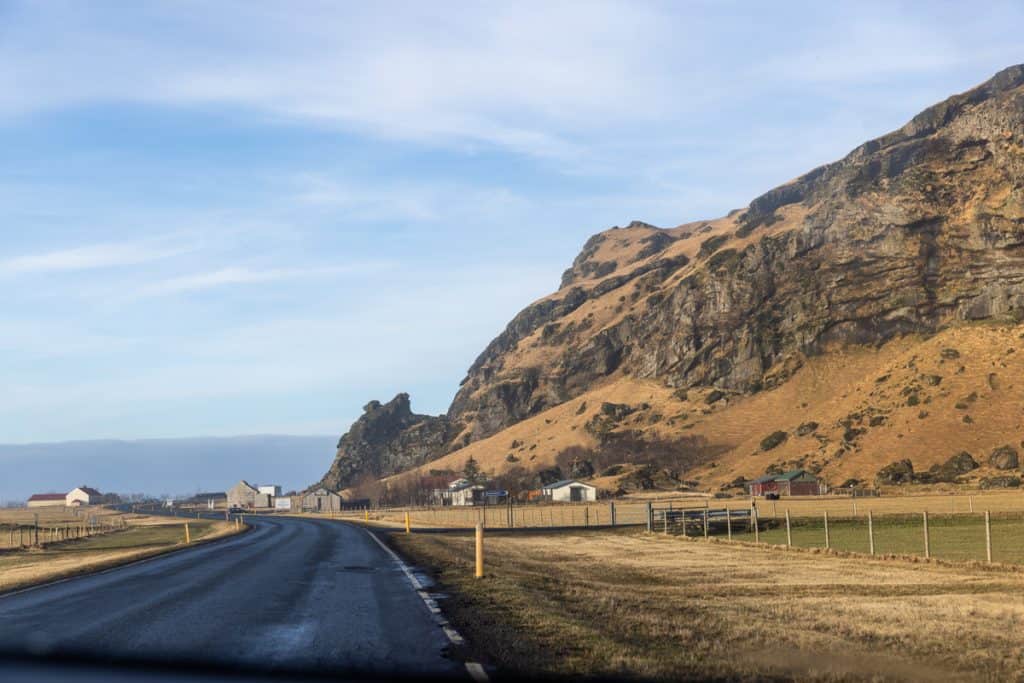
This stretch of road is packed with waterfalls, glaciers, black sand beaches and some of the most dramatic scenery in Iceland, its one of the most beautiful drives I’ve ever done, it truly feels like you’re on a different planet.
Read my guide to renting a car in Iceland if you’re thinking about doing a road trip. It’s written based on my experience hiring a car in winter, but most of it applies year round.
14. Say hello to the Icelandic horses
One of the best things about driving in Iceland is getting to see the Icelandic horses.
They’re a very special part of Icelandic culture as they were brought over by the first Norse Viking settlers over 1,000 years ago.
Something very unique about Icelandic horses is that once they leave the country, they can never come back. This is to keep them purebred, and to stop the spread of foreign diseases.
When our tour guide told us that fact I honestly didn’t believe it was true so I had to do some fact checking, and it turns out she wasn’t lying! It’s a centuries-old rule that still stands today.
Icelandic horses are really friendly and love to come and see you, so whenever you see them, pull over and say hello.

15. Visit Eldhraun lava field
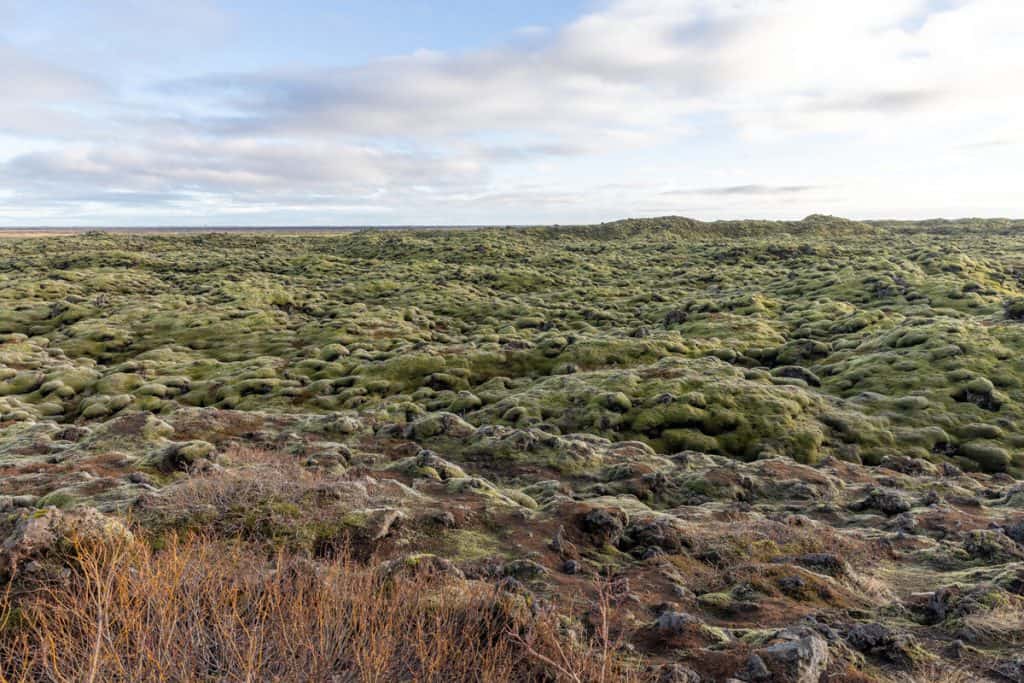
The Eldhraun lava field is a huge lava field just off the Ring Road along the south coast. We actually visited unintentionally – we saw it from the side of the road when we were driving from Reykjavík to Jökulsárlón, and decided to stop because it looked so interesting.
The lava field was formed during the Laki eruption in 1783, one of the largest volcanic eruptions in history.
The eruption lasted for eight months, and had a devastating effect on Iceland. 10,000 people were killed, alongside 50% of the country’s livestock, which led to famine. The lava field is a poignant reminder of the devastation caused.
There are trails you can take to some parts of the field, but it’s forbidden to stand on the moss. Or you can just view it from the car park like we did.
Iceland Google Map
This Google Map has the locations of all the places I’ve mentioned in this post. Click on the rectangle on the right hand side to make it bigger.
Read my other Iceland guides:
The Ultimate Iceland Winter Packing List
Renting a Car in Iceland in Winter
9 Best Things to do in Reykjavík